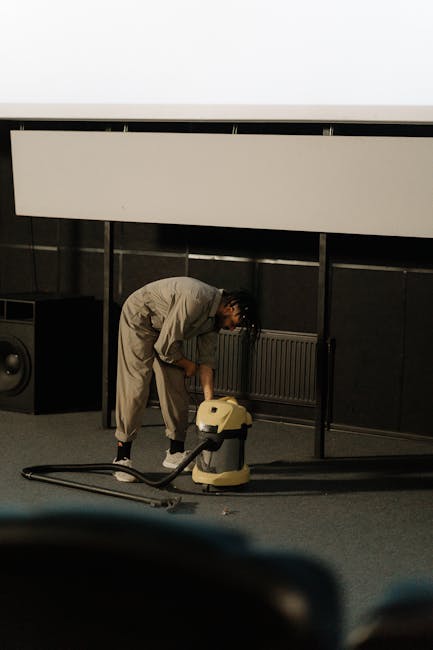
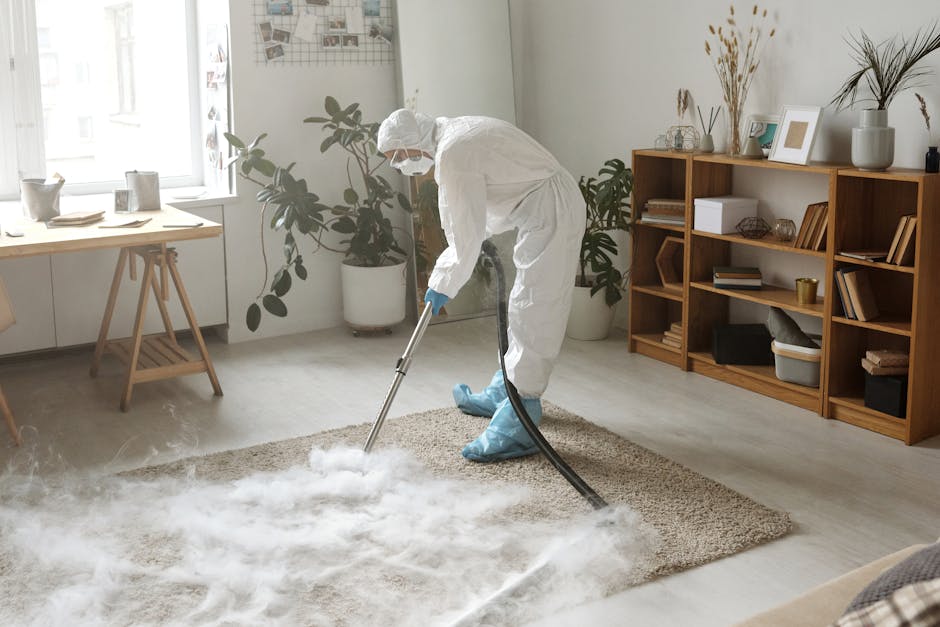
Bayswater carpet cleaning Queensway to Lancaster Gate: a practical local guide for cleaner, healthier carpets
If you are comparing Bayswater carpet cleaning Queensway to Lancaster Gate, you are probably looking for something very specific: a reliable local service that can handle everyday dirt, traffic marks, pet accidents, and the odd mystery stain without turning your day into a hassle. Fair enough. In busy parts of west central London, carpets take a beating-hallways, flats, offices, short-let properties, family homes, all of it. This guide explains how carpet cleaning in the Bayswater, Queensway and Lancaster Gate corridor works, what really matters when choosing a service, and how to get better results without paying for things you do not need.
We will cover the practical steps, the methods worth considering, common mistakes, and the best ways to prepare your rooms so the clean actually lasts. If you want a broader view of the core service, you can also look at carpet cleaning and the more targeted steam carpet cleaning approach for deeper fibre washing.
Expert summary: The best carpet clean is not always the most aggressive one. It is the one matched to the fibre, the soil level, and the room's use, with proper drying and sensible aftercare. That is where good results come from.
Table of Contents
- Why Bayswater carpet cleaning Queensway to Lancaster Gate Matters
- How Bayswater carpet cleaning Queensway to Lancaster Gate Works
- Key Benefits and Practical Advantages
- Who This Is For and When It Makes Sense
- Step-by-Step Guidance
- Expert Tips for Better Results
- Common Mistakes to Avoid
- Tools, Resources and Recommendations
- Law, Compliance, Standards, or Best Practice
- Options, Methods, or Comparison Table
- Case Study or Real-World Example
- Practical Checklist
- Conclusion
- Frequently Asked Questions
Why Bayswater carpet cleaning Queensway to Lancaster Gate Matters
This stretch of London is a classic mix of residential flats, older buildings, busy rental homes, hotels, and commercial spaces. That matters because carpets in these settings wear differently. A hallway carpet in a shared block collects fine grit from shoes, pram wheels, umbrellas and general street debris. A sitting room carpet may suffer from food spills and pet odours. A short-let or managed property can need a refresh between occupants, while office carpets usually show traffic lanes first. Same service, different problem.
It also matters because carpet cleaning is not just about looks. Dirt trapped in fibres can make a room feel tired, can hold odours, and can create a rougher surface underfoot. In a flat near Queensway or Lancaster Gate, where rooms are often compact and used hard, a proper clean can change the whole feel of the place. You notice it when you walk in: less stale smell, softer pile, brighter colour. Simple, but it makes a difference.
There is another point people sometimes miss. In an urban area, regular maintenance is often cheaper than waiting for carpets to become heavily soiled. Once staining settles deep into the pile, you are usually dealing with more time, more treatment, and more drying. So, in practical terms, the right local clean can protect the carpet and keep replacement costs at bay. Not glamorous, but sensible.
If you need support with cleaning beyond carpets, a broader deep cleaning visit can help when the whole property feels overdue for a reset. For homes rather than businesses, domestic cleaning may also be useful as part of a wider maintenance plan.
How Bayswater carpet cleaning Queensway to Lancaster Gate Works
Most professional carpet cleaning follows a few clear stages. The exact method varies, but the logic stays the same: inspect, treat, clean, rinse or extract, then dry properly. That is the spine of the job.
1. Inspection and fibre check
A good cleaner starts by identifying the carpet type. Wool, synthetic blends, loop pile, twist pile, and rugs all behave differently. Some fabrics can tolerate more moisture and heat; others need a gentler touch. This first step stops avoidable damage. It also helps decide whether the job needs standard extraction, stain-focused treatment, or a more careful spot-cleaning strategy.
2. Dry soil removal
Before any liquid is introduced, loose dirt should be removed. It sounds obvious, yet skipping this stage can leave a muddy residue behind. Thorough vacuuming lifts grit from the pile and improves the final finish. In a busy home, this is the difference between a surface tidy and a real clean.
3. Pre-treatment of stains and traffic areas
High-traffic paths, stair edges, and obvious marks need targeted attention. A decent stain remover is chosen according to the mark, not thrown at everything like confetti. Grease, food, drink, pet urine, and general soil often need different solutions. For particularly stubborn marks, stain removal can be folded into the clean so the whole carpet is treated with more care.
4. Main cleaning method
In many cases, the main clean is hot water extraction, often called steam cleaning in everyday conversation. It uses water, cleaning solution and extraction to lift soil from the pile. Done properly, this can be very effective for heavily used carpets because it reaches deeper than surface methods. Some jobs, however, call for dry or low-moisture methods, particularly where drying time is critical.
5. Rinse, neutralise and final extraction
Once the soil has been lifted, the carpet should be rinsed and extracted well. This helps prevent sticky residue, which can make carpets resoil faster. A carpet that feels slightly tacky after cleaning is usually telling you something. It is not being dramatic.
6. Drying and aftercare
Proper drying is part of the service, not an optional extra. Open windows where possible, use airflow, avoid heavy foot traffic for a while, and do not replace furniture too early unless protective pads are used. In London flats, airflow can be awkward, so realistic drying advice matters. It is one of the main reasons a tidy-looking clean may still disappoint if it is rushed.
Key Benefits and Practical Advantages
There are the obvious benefits-cleaner carpets, better appearance, fresher rooms. Then there are the practical ones people only notice later.
- Better first impressions: Useful for rentals, viewings, hospitality, and homes where visitors notice the floor the moment they walk in.
- Improved room freshness: Odours from pets, spills and general use tend to fade when the carpet fibres are properly cleaned.
- Longer carpet life: Removing abrasive dirt can reduce wear on the fibres over time.
- More even appearance: Traffic lanes and patchy dullness are reduced, so the carpet looks more consistent.
- More comfortable feel: A cleaned carpet often feels softer underfoot, which sounds small until you live with it every day.
- Better maintenance rhythm: Once a room is cleaned properly, future upkeep becomes easier and less stressful.
That last point is worth emphasising. Good carpet maintenance is a habit, not a one-off miracle. If you keep on top of it, the whole property tends to feel calmer. Less grime builds up in corners. Less panic before guests arrive. Less of that Sunday-afternoon sigh when you realise the hall carpet has turned grey.
For properties with a lot of furniture or mixed surfaces, combining carpet care with upholstery cleaning or rug cleaning can create a noticeably better result, because the room will look coherent rather than half-done.
Who This Is For and When It Makes Sense
This kind of local carpet cleaning is useful for a wide range of people, not just homeowners who have spilled red wine. Let's be honest, life is messier than that.
Homeowners and tenants
If your carpets are looking tired, or if you are preparing for a move, a clean can make the place feel more presentable very quickly. Tenants often need carpets cleaned before moving out, especially if the property has seen heavy everyday use. Homeowners, meanwhile, may book a clean because one or two stains have quietly become permanent-looking features. Happens to the best of us.
Landlords and letting agents
For rented homes and flats in Bayswater, Queensway and Lancaster Gate, carpet condition affects presentation and sometimes deposit disputes. A professional clean can reduce complaints, speed up turnarounds and make a property easier to re-let. Pairing it with end of tenancy cleaning or move out cleaning is often the neatest approach.
Offices and commercial spaces
Office carpets collect constant footfall, especially around entrances, desks and meeting rooms. If the space is client-facing, appearance matters. In those settings, a service such as commercial carpet cleaning can fit into a broader maintenance plan, alongside office cleaning if the whole workspace needs attention.
Short-let and hospitality properties
Short-let carpets need to look clean fast. Guests notice smells, marks and crumbs almost instantly. A targeted clean between bookings can stop small issues becoming review problems. If the property has a high turnaround, airbnb cleaning can be a sensible companion service.
When it makes sense to book
- When stains are visible from standing height
- When the carpet smells stale even after vacuuming
- After builders, decorating, or heavy footfall periods
- Before or after a move
- Before guests, inspections or property photos
- Seasonally, if the home accumulates mud and street dirt quickly
Step-by-Step Guidance
If you want the clean to go smoothly, a little preparation goes a long way. You do not need to turn the room upside down, just make the job easier for everyone involved.
- Walk the property and identify problem areas. Note stains, worn paths, pet zones, and furniture spots. A quick phone photo helps if you are sharing instructions.
- Vacuum thoroughly before the appointment. This seems basic, but it helps remove loose grit and improves the result. No one wants mud turned into slurry.
- Move small items where possible. Lamps, toys, baskets, and cables can slow things down. Large furniture is a different conversation and should be agreed in advance.
- Highlight stains honestly. Old marks, bleach spots, pet accidents and DIY cleaning attempts should be mentioned up front. A cleaner can only work with the information they have.
- Choose the method based on the carpet, not the assumption. Steam cleaning is excellent in many cases, but not every carpet wants the same treatment.
- Plan for drying time. If you need the room back quickly, say so. It may affect the method used.
- Follow the aftercare advice. Avoid walking on the carpet with dirty shoes, and do not place heavy furniture back too soon.
If the property has lots of mixed surfaces, a broader refresh may also include hard floor cleaning or window cleaning so the space feels finished rather than half-sorted.
Expert Tips for Better Results
These are the little things that tend to separate a decent carpet clean from a really satisfying one.
- Test unknown stains before treating them aggressively. A mystery mark can become a bigger mark if someone guesses badly.
- Deal with pet areas early. If there is odour or staining from pets, use a targeted service such as pet stain odour removal rather than hoping the general clean will sort everything.
- Ask about drying expectations. In London flats, airflow can be limited, so realistic drying guidance matters more than people think.
- Keep vacuuming regularly after the clean. Once every week or two is often better than waiting until the carpet looks visibly dirty.
- Use entrance mats. Small, unexciting, extremely effective.
- Rotate furniture if you can. It reduces localised wear, especially in smaller rooms.
A useful rule of thumb: if a stain is still faintly visible after a first treatment, do not attack it repeatedly with random products. That is how colour damage and fibre distortion happen. Sometimes the smartest move is a second, targeted pass using the right method. Slow is often safer. Annoying, but true.
For recurring upkeep, regular cleaning is worth considering because it helps stop dirt building up between deeper treatments. And if the place has just been refurbished or patched up, after builders cleaning can deal with the dust that loves to settle in carpets, even when no one invited it.
Common Mistakes to Avoid
Carpet cleaning problems usually come from rushing, guessing, or trying to save five minutes and losing the afternoon. Here are the repeat offenders.
- Using too much water: Over-wetting can lead to slow drying, odours, and in some cases backing damage.
- Scrubbing stains hard: That often pushes the mark deeper into the fibres. Blotting is usually safer.
- Using generic products on every stain: Not all marks respond to the same chemistry.
- Ignoring fibre type: Wool and synthetic carpets do not behave the same way. Treating them as identical is asking for trouble.
- Leaving residue behind: If cleaning solution is not rinsed well, the carpet can attract dirt again faster.
- Putting furniture back too soon: Damp pile plus heavy legs can leave marks or create fresh impressions.
There is also a quieter mistake: booking the wrong level of service. A light maintenance clean is fine for a low-traffic room, but not enough for a hallway that has taken daily punishment for years. On the flip side, a harsh restoration-style approach is not always suitable for a delicate rug or older carpet. Matching the method matters more than people realise.
Tools, Resources and Recommendations
You do not need a van full of gear to keep carpets in decent shape, but a few sensible tools help between professional visits.
- Vacuum cleaner with a good brush head: Regular use removes dry grit before it works into the pile.
- Microfibre cloths: Handy for blotting small spills quickly.
- Plain white towels: Useful for absorbing moisture from fresh marks without transferring dye.
- Entrance mats: One at the door and, if practical, one inside the entrance can reduce dirt tracking.
- Furniture pads: Helpful after cleaning to reduce pile crushing under heavier items.
- Targeted stain treatment: Useful only if matched carefully to the stain type.
If you are looking for a bigger reset across a property, the related services on the site can be combined in a sensible order. For example, one off cleaning is useful for an occasional deep refresh, while house cleaning may suit a more complete home tidy-up. For soft furnishings, sofa cleaning and curtain cleaning can make the whole room look sharper. Not always essential, but often worth it.
Law, Compliance, Standards, or Best Practice
For carpet cleaning, the most useful compliance point is not a dramatic legal rule; it is basic safe working practice. Reputable providers should think about slip risks from wet floors, safe handling of cleaning products, and protecting the carpet and surrounding surfaces. That means clear communication, sensible drying advice, and care around occupied homes and workplaces.
In the UK, customers usually expect a service to be transparent about pricing, conditions, and any limits on what can be removed. It is also reasonable to expect respect for privacy, security, and access arrangements in flats and managed buildings. If the cleaner is working in communal areas or offices, good practice includes minimising disruption, using clear signage where needed, and leaving the area safe.
You may also want reassurance about insurance and working standards. That is fair enough. A trustworthy provider should be able to explain how they approach safety and claims handling. You can review details on insurance and safety and read the site's health and safety policy if you want to understand the basics of how jobs are handled. For customer expectations, the terms and conditions and pricing and quotes pages are also useful before you book.
One more practical point: sustainability is increasingly part of normal best practice, especially in London. Lower-waste methods, responsible water use, and careful disposal of waste water all matter. If that is important to you, have a look at recycling and sustainability. It is not about virtue-signalling. It is about doing the job properly without making a mess somewhere else.
Options, Methods, or Comparison Table
Different carpets and different rooms call for different methods. Here is a straightforward comparison of the most common approaches.
| Method | Best for | Strengths | Watch-outs |
|---|---|---|---|
| Hot water extraction | Heavily used carpets, deep soil, general refresh | Thorough, effective on embedded dirt, widely used | Needs drying time; can be too much for delicate fibres if handled badly |
| Low-moisture cleaning | Busy spaces needing quicker turnaround | Faster drying, less disruption | May not suit very deep staining |
| Targeted stain treatment | Specific marks, spills, pet issues | Focused, efficient, less invasive | Depends on stain age and fibre type |
| Rug-focused cleaning | Loose rugs and decorative floor coverings | Better control for sensitive pieces | Some rugs need extra care or off-site treatment |
For most homes in the Bayswater-to-Lancaster Gate area, the best choice is often a mix: targeted stain treatment first, then a suitable main clean. If the carpet is older, delicate, or heavily worn in one path, the cleaner should adjust rather than force one method on everything. That flexibility is what you want.
Case Study or Real-World Example
Here is a realistic example from the kind of work this area often needs.
A two-bedroom flat near Queensway had a hallway carpet that looked dull, a lounge carpet with a couple of food marks, and a faint pet smell in one corner. The owner had tried supermarket spray foam first. No disaster, but the carpet felt sticky in places and the stain reappeared after drying. Classic story.
The cleaner inspected the fibre, vacuumed thoroughly, pre-treated the traffic lane and the food marks, then used a deeper extraction approach in the hallway and lounge, with a separate focus on the pet area. Aftercare advice included ventilation, no heavy shoes for a while, and delaying furniture replacement until the pile had settled. The result was not magic, just method. The hallway looked brighter, the lounge smelled fresher, and the owner said the flat finally felt ready for viewing again. That sort of transformation is very common, honestly.
The key lesson from this example is simple: the problem was not just dirt. It was layered issues-general soil, residue from DIY cleaning, and odour. Treating those separately gave a better result than a single quick pass ever would.
Practical Checklist
Use this before and after your clean to make life easier.
- Before the visit: identify visible stains, note pet areas, and decide which furniture can be moved.
- Before the visit: vacuum the carpet if possible.
- Before the visit: mention any prior DIY cleaning products.
- Before the visit: confirm access, parking, and entry details if needed.
- During the visit: ask which method is being used and how long drying may take.
- During the visit: point out any fragile carpet zones or loose edges.
- After the visit: keep the area ventilated.
- After the visit: avoid heavy foot traffic until the carpet is dry.
- After the visit: do not place heavy furniture back too soon.
- After the visit: vacuum regularly to keep the fibres standing well.
Small checklist, big payoff. It really does help.
Conclusion
Bayswater carpet cleaning Queensway to Lancaster Gate is not just about making a carpet look nice for an afternoon. Done properly, it helps protect fibres, improve room freshness, and make homes and commercial spaces feel more cared for. The main thing is to match the method to the carpet, treat stains intelligently, and allow proper drying time. If you get those basics right, the rest tends to fall into place.
Whether you are preparing a rental, freshening a family home, or sorting out a busy office, the right local carpet clean can remove a lot of visual noise from the room. And that quiet, clean feeling? You notice it straight away, even if you do not think you will.
Get a free quote today and see how much you can save.
For a broader view of service standards and the people behind the work, you may also want to read about us and the company's contact us details if you are planning next steps. Simple enough, and often that is exactly what you need.
Frequently Asked Questions
How often should carpets be cleaned in Bayswater, Queensway and Lancaster Gate?
It depends on use. Busy homes, rentals, and offices often benefit from more frequent cleaning than low-traffic rooms. If the carpet starts looking dull, holding odours, or showing traffic lanes, it is probably time.
Is steam cleaning always the best option?
Not always. Steam or hot water extraction is effective for many carpets, but some fibres, rugs, or quick-turnaround spaces may need a lower-moisture approach. The best method depends on the material and condition.
Can carpet cleaning remove old stains?
Sometimes, yes, but not all old stains are fully removable. The age of the stain, previous DIY products, and the fibre type all matter. Targeted treatment usually gives the best chance.
How long do carpets take to dry after cleaning?
Drying time varies with method, weather, airflow, and carpet thickness. In a typical flat, you should expect some drying time and plan around it rather than assuming the room will be ready immediately.
Will carpet cleaning get rid of pet smell?
It can help a lot, especially if the odour is coming from surface contamination. Deeper pet urine issues may need a specific treatment such as pet stain odour removal rather than a standard clean alone.
Should I vacuum before the cleaner arrives?
Yes, if you can. Vacuuming removes loose dirt and helps the cleaner focus on embedded soil and stains. It is a small effort that usually improves the end result.
Is carpet cleaning safe for wool carpets?
It can be, provided the cleaner uses the right method and products. Wool needs more care than many synthetic carpets, so fibre identification is important before any treatment begins.
What should I do after the carpet is cleaned?
Keep the area ventilated, avoid heavy foot traffic until dry, and do not move furniture back too early. Regular vacuuming after the clean also helps the carpet stay fresher for longer.
Can I combine carpet cleaning with other services?
Yes. In many homes and flats, it makes sense to combine it with sofa cleaning, curtain cleaning, or hard floor cleaning for a more complete refresh.
How do I know if I need a deep clean rather than a light refresh?
If the carpet has visible traffic lanes, stubborn dullness, lingering smells, or multiple stains, a deeper treatment is usually the better choice. A light refresh is fine for maintenance, but it will not fix heavily embedded soil.
Is commercial carpet cleaning different from domestic cleaning?
Yes, mainly in scale, traffic levels, and scheduling. Commercial spaces often need faster turnaround, more durable methods, and less disruption. For workplaces, commercial carpet cleaning is usually the better fit.
What if my carpet was damaged by builders' dust or renovation work?
That is common after refurbishments. Fine dust can settle deep in the pile and make the carpet look grey fast. In that case, after builders cleaning can be a smart addition to the carpet work.